Hall Effect Magnetic Switches vs Mechanical Switches: A Performance and Practical Guide
For young professionals, writers, and peripheral enthusiasts, selecting the right keyboard switch type is crucial for comfort, performance, and longevity. The debate between Hall effect magnetic switches and mechanical switches has grown more complex as each offers unique advantages. Whether you're building a custom keyboard or upgrading your current setup, understanding the differences between Hall effect magnetic switches vs mechanical switches can help you make an informed decision. This guide explores the technical and practical aspects of both switch types to assist you in choosing the best fit for your needs.
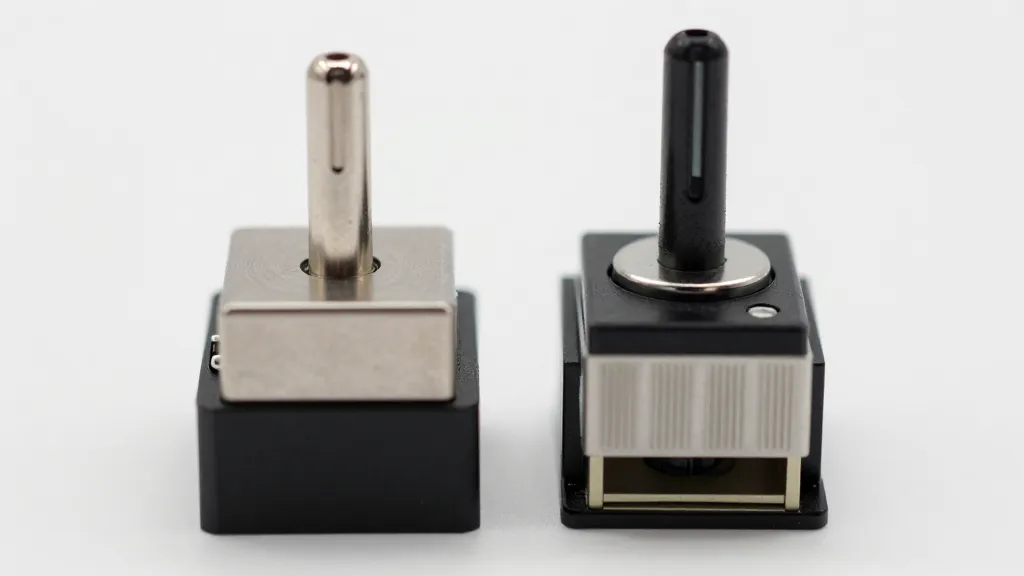
Hall effect magnetic switches use electromagnetic sensors to detect key presses, offering a sleek, low-maintenance design. In contrast, mechanical switches rely on physical contacts and springs for actuation, providing a tactile and auditory experience many users prefer. Both options have their place in the world of keyboard customization, but their performance characteristics can significantly impact typing efficiency and user satisfaction.
This article compares Hall effect magnetic switches and mechanical switches across key metrics like actuation point, durability, sound, and tactile feedback. By analyzing these factors, you'll gain a clearer understanding of which switch type aligns best with your typing style, budget, and long-term goals. Whether you're prioritizing speed, durability, or a satisfying click, this guide provides the objective data you need to decide.
Understanding Hall Effect Magnetic Switches and Mechanical Switches
This section explores the fundamental differences between Hall effect magnetic switches and traditional mechanical switches, focusing on their operational principles and design characteristics. Understanding these technologies is crucial for users seeking to evaluate their performance and suitability for specific applications.
How Hall Effect Magnetic Switches Work
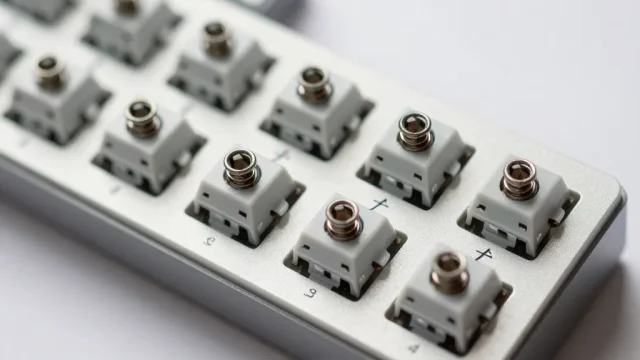
Hall effect magnetic switches operate using the Hall effect, a physical phenomenon where a voltage is generated across a conductor when exposed to a magnetic field. These switches utilize a magnet and a Hall effect sensor to detect the presence of the magnetic field, triggering a switch action without physical contact. This design allows for a smooth, contactless operation that reduces wear and tear over time.
Traditional Mechanical Switch Mechanics
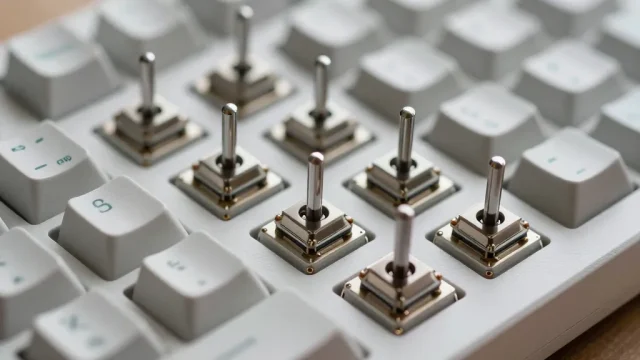
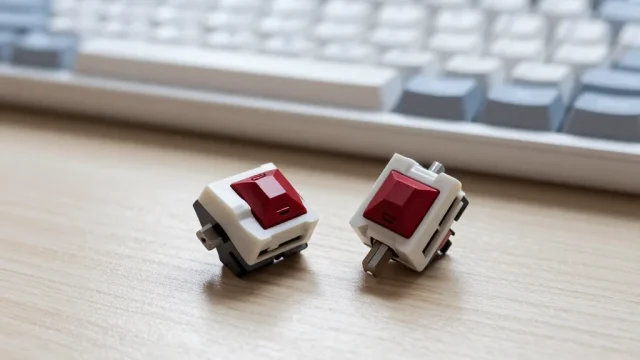
Traditional mechanical switches rely on a physical mechanism involving a spring, stem, and switch housing. When a key is pressed, the stem depresses the switch, completing an electrical circuit. The actuation point is determined by the spring tension, and the switch returns to its original position when released. While this design offers tactile feedback and a satisfying keystroke, it is subject to mechanical wear and requires more maintenance over time.
Actuation Point and Trigger Response: A Critical Comparison
Actuation point and trigger response are pivotal factors in determining the performance of a keyboard switch. These metrics influence how a key feels during typing and how quickly it registers input, making them essential considerations for users seeking optimal efficiency and responsiveness.
Actuation Point: Precision and Consistency
Hall effect magnetic switches typically have a more consistent actuation point due to the absence of physical components like springs and plungers. The magnetic field sensor detects the switch state based on proximity, resulting in a predictable and uniform actuation point across all keys. In contrast, mechanical switches rely on physical contact between a stem and a switch housing, which can lead to slight variations in actuation point depending on the switch type and wear over time. This variability can impact typing consistency, especially for users who rely on precise key presses for tasks like gaming or programming.
Rapid Trigger: Speed and Responsiveness
Rapid trigger behavior refers to how quickly a switch registers a key press after the user starts pressing. Hall effect switches generally offer a faster trigger response because there is no physical movement involved. The sensor detects the switch state almost instantaneously, reducing latency and enhancing responsiveness. Mechanical switches, particularly linear types, also provide a fast trigger, but the presence of physical components can introduce minor delays. The difference in rapid trigger behavior between the two switch types can be significant for users who prioritize speed, as it directly affects input accuracy and typing efficiency.
Switch Durability and Lifespan: Hall Effect vs Mechanical
Hall effect magnetic switches are designed with fewer moving parts, which can contribute to their long-term durability. Unlike traditional mechanical switches, which rely on a spring and stem mechanism that can degrade over time, Hall effect switches use a magnetic field to detect key presses. This eliminates the need for physical contact between components, reducing the risk of wear and tear. As a result, Hall effect switches are often rated for significantly higher actuation counts, sometimes reaching millions of presses without noticeable degradation. However, their reliance on electronic components may make them more susceptible to electrical failures if not properly maintained.
Traditional mechanical switches, while more prone to physical wear, are generally more reliable in harsh environments. The spring mechanism in mechanical switches can lose tension over time, leading to inconsistent actuation and a reduced lifespan. This wear is typically more noticeable in linear or tactile switches, where the stem and spring are under more stress during use. Mechanical switches also require periodic cleaning to remove dust and debris that can affect their performance, but this is a relatively simple maintenance task that can prolong their life. In contrast, Hall effect switches may require more specialized care to prevent issues with their electronic components.
When considering maintenance, Hall effect switches may need occasional checks for electrical interference or component failure, which can be more complex than the routine cleaning of mechanical switches. However, the reduced mechanical stress in Hall effect switches can lead to lower maintenance requirements in the long run. For users who prioritize longevity and minimal upkeep, Hall effect magnetic switches may offer a more durable and low-maintenance option. On the other hand, mechanical switches, while requiring more frequent attention, are often favored for their tactile feedback and the ability to replace individual switches without affecting the entire keyboard's performance.
Sound and Tactile Feedback: Aesthetic and Functional Trade-offs
Hall effect magnetic switches are generally quieter than traditional mechanical switches, producing a subtle clicking or tapping sound when actuated. This makes them ideal for environments where noise is a concern, such as office settings or shared living spaces. In contrast, mechanical switches, especially clicky variants like Cherry MX Blue or Kailh Box, emit a distinct and often louder click sound with each keystroke, which can be both a feature and a drawback depending on the user’s preferences and surroundings.
Tactile feedback varies significantly between the two switch types. Hall effect switches often offer a smooth, consistent feel with minimal resistance, making them appealing for users who prioritize speed and efficiency. Mechanical switches, however, provide a more pronounced tactile response, with some models offering a satisfying click or snap under the fingers, which can enhance typing comfort and accuracy for certain users. This tactile feedback is a key factor in user satisfaction and can influence long-term usage habits.
The sound and feedback characteristics of each switch type also play a role in aesthetic and functional choices. For writers and professionals who type extensively, the quieter operation of Hall effect switches may reduce fatigue and improve focus. On the other hand, the clicky feedback of mechanical switches can serve as a form of tactile reinforcement, helping users maintain rhythm and precision. Ultimately, the choice between the two often hinges on personal preference, typing style, and environmental considerations.
Choosing Between Hall Effect Magnetic and Mechanical Switches
Selecting between Hall effect magnetic switches and mechanical switches depends on your priorities and usage patterns. If you value consistent actuation and a quiet typing environment, Hall effect switches offer a smooth, silent experience with minimal tactile feedback. However, if you prefer a more traditional typing feel with distinct actuation resistance and audible feedback, mechanical switches provide a more customizable and responsive experience. Your typing style—whether fast, precise, or casual—should guide your choice, as some switches excel in speed while others prioritize comfort and endurance.
Consider your environment when making a decision. Hall effect switches are ideal for quiet spaces, such as offices or shared living areas, where noise is a concern. They also perform well in high-traffic scenarios like gaming or rapid data entry, where consistent and quiet actuation is key. On the other hand, mechanical switches are better suited for environments where tactile feedback and sound are preferred, such as creative workspaces or personal setups where the typing experience enhances productivity and satisfaction.
Ultimately, the best choice depends on your specific needs. For users who prioritize durability and long-term reliability, Hall effect switches may offer advantages due to their fewer moving parts and reduced wear. However, mechanical switches remain a favorite among enthusiasts for their versatility, customization options, and rich tactile feedback. If you're looking for a balance between quiet operation and tactile response, hybrid switches might be worth exploring. Evaluate your lifestyle, workspace, and typing habits to determine which type aligns best with your goals and preferences.
Frequently Asked Questions
Are Hall effect magnetic switches quieter than mechanical switches?
Hall effect magnetic switches are generally quieter than mechanical switches, as they eliminate the tactile click and physical contact noise. They offer a smoother and more silent typing experience, making them ideal for quiet environments.
Can Hall effect switches be used in a mechanical keyboard build?
Yes, Hall effect switches can be used in a mechanical keyboard build, though they require a different switch housing and wiring setup. They are compatible with custom PCBs and offer a unique alternative to traditional mechanical switches.
Do Hall effect switches have a faster actuation point than mechanical switches?
Hall effect switches typically have a faster actuation point than mechanical switches, as they respond to magnetic fields instantly without physical contact. This makes them suitable for applications requiring rapid trigger responses.
What are the main drawbacks of using Hall effect magnetic switches?
The main drawbacks of Hall effect magnetic switches include potential sensitivity to interference, higher cost, and the need for precise alignment. They may also lack the tactile feedback preferred by some users.
Final Takeaway
Hall effect magnetic switches offer distinct advantages over mechanical switches, including reduced noise, faster actuation, and longer lifespan. They are ideal for users seeking a silent and responsive typing experience.
When choosing between Hall effect and mechanical switches, consider your priorities: durability, sound, and tactile feedback. For a seamless integration, ensure your build supports Hall effect switch technology.