Switch Films Deskeys vs TX: A Guide to Wobble Reduction and Housing Tightness
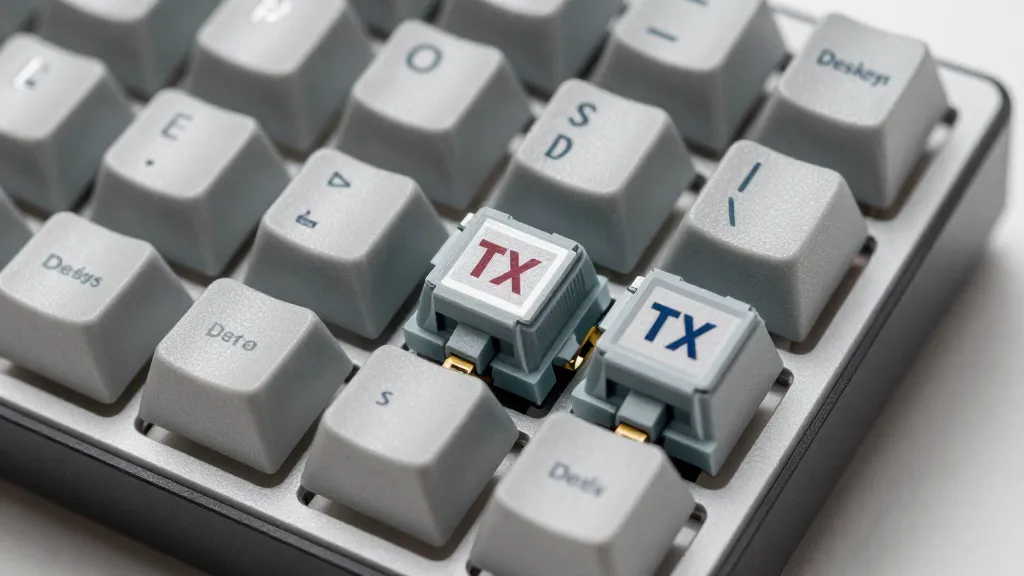
When building a custom mechanical keyboard, achieving a stable, quiet, and satisfying typing experience is key. Among the many components to consider, switch films like Deskeys and TX play a vital role in shaping the feel and sound of your keyboard. The switch films deskeys vs tx debate often centers around wobble reduction and housing tightness, two factors that directly influence the overall performance of your build. Whether you're looking for a soft, tactile experience or a firm, stable layout, understanding the differences between these switch films is essential for making an informed choice.
Deskeys are known for their soft, tactile feedback and enhanced sound, making them a popular choice for users who prioritize a more responsive and audible typing experience. On the other hand, TX switch films offer a firmer, more stable feel with reduced noise, appealing to those who prefer a quieter and more consistent keystroke. Each option brings its own set of trade-offs, and the decision ultimately depends on your personal preferences and build goals.
This guide dives into the nuances of Deskeys and TX switch films, comparing their impact on wobble reduction and housing tightness. We’ll explore how these factors influence the stability and sound of your keyboard, as well as practical tips for selecting the right switch film for your build. Whether you're fine-tuning your existing keyboard or starting from scratch, this article provides the insights you need to make the best choice for your mechanical keyboard setup.
Understanding Switch Films and Their Role in Custom Keyboards
Switch films are essential components in custom mechanical keyboard builds, offering enhanced sound, stability, and tactile feedback. These thin, flexible layers are placed over switches to modify the typing experience, making them a popular choice among keyboard enthusiasts and builders.
What Are Switch Films and How Do They Work?
Switch films are designed to cover the switch housing and act as a barrier between the switch and the keycap. They are typically made from materials like rubber or silicone, which allow for a degree of flexibility while providing structural support. When installed, they help to dampen the sound produced by the switch and can also reduce the amount of wobble that occurs during actuation. This makes them particularly useful for those who prefer a quieter or more stable typing experience.
Common Use Cases for Switch Films in Mechanical Keyboards
In addition to improving sound and stability, switch films are used in custom builds to enhance tactile feedback. By altering the way the switch feels under the fingers, they can create a more responsive and satisfying typing experience. This is especially important in builds where the user wants to fine-tune the feel of each key. Deskeys and TX are two of the most popular switch films for mechanical keyboards, each offering unique characteristics that cater to different preferences and build goals.
Deskeys vs TX: A Detailed Comparison
Deskeys and TX are both popular switch films designed to reduce wobble and enhance the sound of mechanical keyboards. While they share similar goals, their characteristics and performance differ significantly, making them suitable for different preferences and build styles.
| Feature | Deskeys | TX |
|---|---|---|
| Material | Soft, flexible rubber | Firm, dense rubber |
| Feel | Soft and tactile with a slight give | Firm and consistent with minimal give |
| Sound | Enhances click and tactile feedback | Reduces noise for a quieter experience |
| Wobble Reduction | Moderate, effective for most switches | High, ideal for heavy or unstable switches |
| Compatibility | Works well with most switches | Compatible with a wide range of switches |
| Installation | Requires careful alignment | Easier to install due to firmer material |
Deskeys: Soft, Tactile, and Sound-Enhancing
Deskeys are known for their soft and tactile feel, offering a more cushioned experience under the fingers. The material provides a slight give, which can enhance the sound of tactile switches by amplifying the click and tactile feedback. This makes Deskeys a great choice for users who prioritize a softer, more responsive feel. However, the softness may not be as effective in reducing wobble for heavier switches, where a firmer film might be more beneficial.
TX: Firm, Stable, and Quiet
TX films are designed with a firmer, denser material that offers a more stable and consistent response. This makes them ideal for users who prefer a tactile or clicky feel without the added softness of Deskeys. The firmness of TX also contributes to better wobble reduction, especially with switches that are prone to instability. While TX may not enhance the sound as much as Deskeys, it delivers a quieter and more controlled typing experience, making it a preferred option for those who value precision and minimal noise.
Wobble Reduction: How Switch Films Improve Stability
Wobble is a common issue in mechanical keyboards, particularly with linear switches, where the lack of tactile feedback can lead to instability and a less precise typing experience. This section explores the causes of wobble and how switch films such as Deskeys and TX can mitigate it through their unique properties.
What Causes Wobble in Mechanical Keyboards?
Wobble in mechanical keyboards often stems from the movement of the switch housing within the keycap. Linear switches, which lack the tactile bump found in tactile switches, are more prone to this issue as there is less resistance to movement. The lack of damping in these switches can result in a floating feel, making the keyboard less stable and more prone to noise. Additionally, the weight distribution of the switch and keycap can influence how much wobble occurs during typing.
How Switch Films Reduce Wobble
Switch films like Deskeys and TX help reduce wobble by providing a layer of friction and damping between the switch housing and the keycap. These films are designed to absorb some of the movement, creating a tighter fit and a more stable typing experience. The effectiveness of wobble reduction depends on the thickness and material of the switch film—thicker films generally offer more resistance to movement, while materials such as rubber or silicone provide greater damping properties. Choosing the right film can significantly enhance the stability and overall feel of a mechanical keyboard build.
Housing Tightness: The Impact on Sound and Feel
Housing tightness plays a crucial role in how your mechanical keyboard performs, particularly in terms of sound and tactile feedback. The way a switch film is secured within the keyboard case can influence both the auditory experience and the overall feel of the keys. Tighter housing can dampen noise and enhance the mechanical action, while a looser fit may allow for a more open sound profile. Understanding how housing tightness affects your build is essential for achieving the desired balance between sound and tactile response.
The Relationship Between Housing Tightness and Sound
The Relationship Between Housing Tightness and Sound is a key factor in determining how your keyboard will sound during use. A tighter fit can reduce the amount of movement between the switch and the housing, which in turn minimizes the noise generated by the switch's internal components. This is particularly beneficial for users who prefer a quieter typing experience. Conversely, a looser fit may allow for a more resonant sound, which can be desirable for those who enjoy a more audible feedback mechanism. The level of tightness can also affect the clarity of each keystroke, ensuring that every press is distinct and well-defined.
How to Adjust Housing Tightness for Optimal Performance
How to Adjust Housing Tightness for Optimal Performance involves finding a balance that suits your personal preferences and build requirements. When installing a switch film, it's important to ensure that the housing is neither too loose nor too tight. A too-tight fit may cause the switch to feel overly rigid, while a too-loose fit can lead to inconsistencies in the tactile response. Experimenting with the placement of the switch film and adjusting the housing accordingly can help you achieve the ideal level of tightness. This can be done by carefully aligning the switch film with the housing and making minor adjustments to the position or pressure applied during installation.
Choosing the Right Switch Film for Your Build
Selecting the right switch film for your build depends on your typing style and how you prioritize stability versus sound. If you're a heavy typist or prefer a firm, responsive feel, TX might offer the precision you need. Conversely, if you value a softer, more tactile experience with enhanced sound, Deskeys could be more suitable. Consider whether you're building for gaming, typing, or general use, as these scenarios may favor different characteristics in switch films.
- Evaluate your typing style and determine whether you prefer a firm, stable feel or a softer, more tactile experience.
- Test both Deskeys and TX in your keyboard to assess their performance in your specific build.
- Use stabilizers or lubrication to fine-tune the feel and reduce any residual wobble or noise.
- Consider long-term use and maintenance—some films may degrade over time, affecting their performance.
Before finalizing your choice, it's highly recommended to test both Deskeys and TX in your build. This allows you to experience the differences in wobble reduction, housing tightness, and overall sound. Testing in your actual keyboard setup ensures you can make an informed decision based on real-world performance rather than theoretical benefits.
Frequently Asked Questions
Which switch film is better for reducing wobble, Deskeys or TX?
Deskeys are better for reducing wobble due to their soft and tactile design, which provides more cushioning and stability. TX films offer firmer support, making them ideal for users who prefer a more rigid feel.
How do Deskeys and TX differ in terms of sound and feel?
Deskeys enhance sound with their soft, tactile response, offering a more pronounced click or tactile feedback. TX films are quieter and firmer, delivering a more subdued and stable feel.
Can I use Deskeys or TX with any type of mechanical switch?
Deskeys and TX are compatible with most mechanical switches, but their effectiveness may vary based on switch type and build preferences. Testing is recommended for optimal results.
How do I adjust housing tightness for optimal performance?
Adjust housing tightness by loosening or tightening the screws that secure the housing. Experiment with different levels to find the balance between stability and sound clarity.
Final Thoughts
Selecting the right switch film depends on your preference for stability, sound, and tactile feedback. Deskeys offer a softer, more responsive feel, while TX provides a firmer, quieter option. Consider your build goals and testing to find the best fit.
To begin, evaluate your priorities for wobble reduction and sound. Experiment with both Deskeys and TX in your build, and fine-tune housing tightness for the desired performance. Your choice will significantly impact your keyboard's overall feel and functionality.