Long Pole Switches Explained: Understanding Their Design and Use Cases
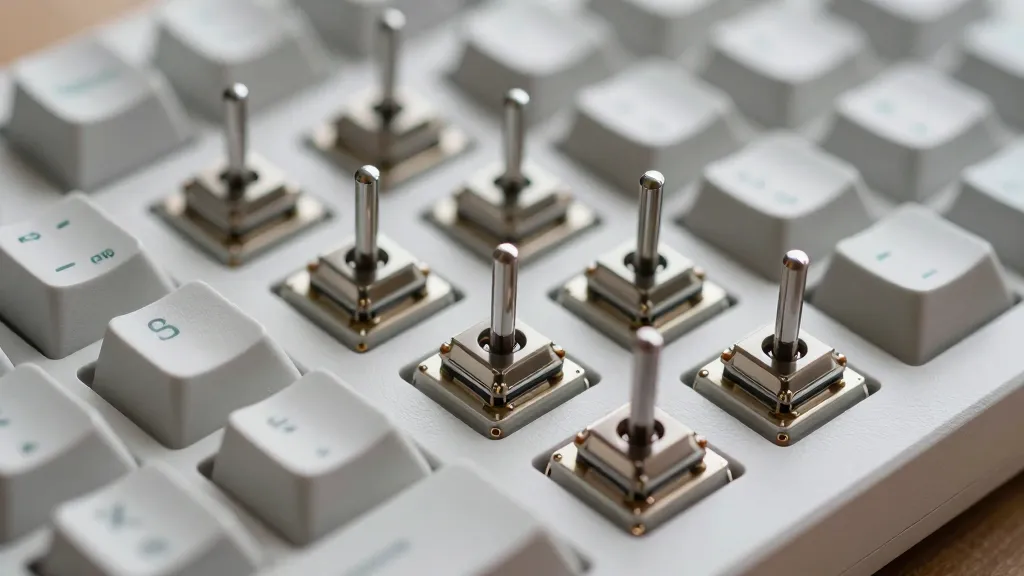
For keyboard enthusiasts and young professionals seeking customization, understanding switch types is key to finding the perfect typing experience. Among the many options, long pole switches explained offer a unique combination of tactile feedback and actuation depth. These switches feature longer stem lengths, which influence their actuation point and resistance, making them distinct from shorter travel alternatives. Whether you're looking for a responsive feel or a more cushioned keystroke, the choice of switch can significantly impact your overall typing comfort.
Long pole switches are designed with a focus on balance between actuation resistance and travel distance. Their extended pole length allows for a more gradual activation, which can be ideal for users who prefer a softer touch or a more forgiving keystroke. This design also contributes to a distinct typing rhythm, which can be both a benefit and a consideration depending on personal preference.
This article explores the characteristics of long pole switches, how they differ from shorter travel options, and the implications of clacky bottom out. We'll also provide practical advice for selecting and maintaining these switches, ensuring you make an informed decision that aligns with your typing style and needs.
What Are Long Pole Switches?
Long pole switches are a specialized type of mechanical switch characterized by their extended stem or pole, which connects the switch to the printed circuit board (PCB). This design element significantly influences the switch's tactile feedback and bottom-out behavior, making them a popular choice among keyboard enthusiasts and professionals who prioritize a specific typing experience.
Switch Construction and Pole Length
The construction of long pole switches involves a longer stem that extends from the switch housing to the PCB. This extended pole allows for a greater travel distance before actuation, which can affect the overall feel of the switch. The longer pole also contributes to a more pronounced tactile feedback, as the switch requires more movement to reach its actuation point. This design is often used in linear switches, where a smooth and consistent feel is desired.
Impact on Typing Experience
The impact of long pole switches on the typing experience is notable. The increased travel distance can provide a more deliberate and controlled keystroke, which is beneficial for users who prefer a slower, more precise typing style. However, the longer travel may also require more effort to press each key, which could be a drawback for those who favor a lighter touch. Additionally, the bottom-out behavior of long pole switches is more pronounced, which can create a distinct auditory and tactile response when the switch reaches its end of travel.
How Do Long Pole Switches Differ From Shorter Travel Switches?
Long pole switches and shorter travel switches differ significantly in their actuation dynamics and how they affect the typing experience. These differences are rooted in their physical design and the resulting tactile feedback, making them suitable for different user preferences and typing styles.
Actuation Point and Resistance
Shorter travel switches feature a more compact stem, which results in a stiffer actuation point. This design can create a more direct and responsive feel, which some typists find advantageous for fast, precise input. However, the increased resistance may require more force to press each key, potentially leading to fatigue over time. In contrast, long pole switches have a longer stem that allows for a more gradual actuation. This design provides a smoother, more consistent resistance curve, making each keystroke feel lighter and more forgiving. The extended travel distance also helps to reduce the likelihood of bottoming out, which can be beneficial for those who type for extended periods.
Typing Comfort and Speed
Typing comfort and speed are influenced by the travel distance of the switch. Shorter travel switches are often preferred by users who prioritize speed and accuracy, as their shorter actuation distance allows for quicker key presses. This can be particularly useful in fast-paced typing scenarios, such as gaming or rapid data entry. On the other hand, long pole switches offer greater comfort for extended use. Their more gradual actuation and reduced resistance make them ideal for users who prioritize ergonomic comfort and a more relaxed typing posture. The trade-off is that the longer travel distance may slow down the response time slightly, which could be a drawback for those who rely on speed. Ultimately, the choice between these two switch types depends on the user's typing style and the specific demands of their tasks.
Understanding Clacky Bottom Out in Long Pole Switches
Clacky bottom out is a characteristic sound produced by long pole switches when they reach full travel, often described as a metallic or clicking noise. This phenomenon is closely tied to the switch's design and material composition, and it can vary in intensity depending on the manufacturer and build quality. While some users find it appealing, others may perceive it as a potential indicator of switch performance or durability.
What Causes Clacky Bottom Out?
Clacky bottom out occurs due to the way long pole switches are constructed. These switches typically have a longer stem and a more rigid housing, which allows for a greater travel distance. As the switch reaches the end of its travel, the internal components, such as the spring and stem, may create a distinct clicking sound. This sound is often amplified by the materials used in the switch, such as metal or hard plastic, which can transmit vibrations more effectively. The design of the switch also plays a role, as some manufacturers intentionally engineer their switches to produce a more pronounced bottom-out sound.
Is Clacky Bottom Out Good or Bad?
Whether clacky bottom out is good or bad depends on personal preference and usage. Some users appreciate the tactile feedback and auditory cue it provides, especially in gaming or typing scenarios where it can signal the completion of a keystroke. However, others may find the sound distracting or indicative of a less refined build. In some cases, clacky bottom out can also be a sign of poor quality or inconsistent manufacturing, particularly if the sound is excessive or inconsistent. Ultimately, it is a subjective feature that should be considered alongside other factors like actuation force and switch type when making a selection.
Choosing Between Long Pole and Shorter Travel Switches
Selecting between long pole and shorter travel switches depends on your specific typing needs and personal comfort. Each type offers distinct advantages, making it essential to align your choice with your preferences and usage patterns.
Typing Style and Preference
Your typing style significantly influences the suitability of long pole versus shorter travel switches. Users who prioritize a softer, more cushioned feel often find long pole switches more comfortable for extended typing sessions. These switches provide a more forgiving actuation, reducing finger fatigue over time. Conversely, those who value a more direct and responsive feel may prefer shorter travel switches, which offer a quicker, more tactile response with less travel distance.
Optimal Use Cases for Each Type
Long pole switches are ideal for users who prioritize comfort over speed, such as those who type for extended periods or prefer a relaxed, less strenuous typing experience. Their increased travel distance and cushioned actuation make them well-suited for tasks that require sustained input, like writing or coding. Shorter travel switches, on the other hand, are better for those who need a more responsive feel, such as gamers or typists who prioritize speed and precision. These switches deliver a snappier, more tactile response, making them popular in fast-paced environments where quick key presses are essential.
Practical Tips for Using Long Pole Switches
Proper use of long pole switches requires attention to compatibility, maintenance, and personalization to ensure optimal performance and comfort.
- Ensure your keyboard case is compatible with the pole length of your switches.
- Use appropriate lubrication to reduce clacky bottom out if desired.
- Test different switch types to find the best fit for your typing needs.
- Regularly clean and inspect your switches for wear or debris.
Compatibility and Installation
Compatibility is crucial when using long pole switches. Ensure your keyboard case has sufficient space to accommodate the extended pole length without causing interference or misalignment. A mismatched case can lead to uneven switch behavior, affecting both typing accuracy and overall keyboard stability. Always verify the case dimensions before installation, and consider custom cases or modifications if necessary to ensure a proper fit.
Lubrication and Maintenance
Lubrication can help mitigate clacky bottom out, a common issue with long pole switches. Apply a small amount of switch lubricant to the stem or housing to reduce friction and improve tactile feedback. However, be cautious not to over-lubricate, as this can affect the switch's actuation point and responsiveness. Regular maintenance, such as cleaning the switch housing and checking for debris, will also help preserve the switch's performance over time.
Frequently Asked Questions
Are long pole switches better for gaming?
Long pole switches are not necessarily better for gaming. They provide a smoother actuation feel, but their longer travel distance may affect responsiveness. Gamers often prefer switches with lower actuation points for faster response times.
Can I replace shorter travel switches with long pole switches?
Yes, you can replace shorter travel switches with long pole switches, but it may affect your typing experience. Ensure your keyboard's switch housing and keycaps are compatible with the new switch type.
How do I reduce clacky bottom out in my long pole switches?
Clacky bottom out can be reduced with lubrication, proper switch installation, and choosing switches with a smoother bottom out. Avoid over-tapping to prevent excessive noise and wear.
What are the best long pole switches for quiet typing?
Long pole switches like the Kailh Box Brown or Gateron Brown are known for their quiet operation and smooth actuation. They offer a balance between tactile feedback and noise levels, making them ideal for quiet typing environments.
Final Thoughts
Long pole switches offer a unique typing experience with their extended travel distance and tactile feedback. Choosing the right type depends on personal preferences and use cases. For optimal performance, consider your typing style and the environment in which you use your keyboard.
If you're considering long pole switches, start by assessing your needs and testing different models. Proper installation and maintenance can enhance their performance. Ultimately, the best switch is one that aligns with your comfort and goals.